
"roasting science"
1000 article(s) found
Coffee Science: the Flavor Source and volatility of Coffee
Professional coffee knowledge exchange more coffee bean information please pay attention to the coffee workshop (Wechat official account cafe_style) in a broad sense, taste includes five senses (vision, hearing, smell, taste, touch) transmitted to the cerebral cortex, and handed over to the central nervous system to process, so our five senses will be the medium of taste signals; but in a narrow sense, we usually think that

Boutique Coffee Science explains in detail the varieties of coffee beans
The Blue Mountains, named after mountains, are grown in Jamaica in the West Indies at elevations between 1000 and 2500 meters above sea level. Features: large granules, good quality, taste blending, sweet, sour, bitter natural balance and aroma, is recognized as the world's best coffee
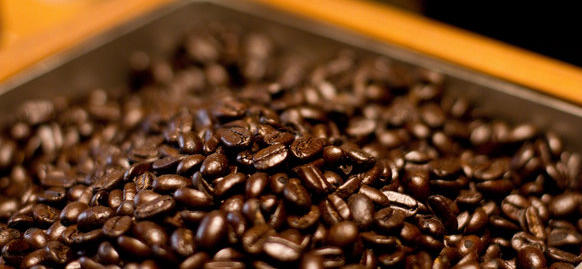
Changes in coffee bean roasting: patented technology increases the content of polyphenols in roasted coffee beans
According to foreign reports: applied Food Science Company (Applied Food Science Inc.) A patent has been obtained that can greatly increase the content of polyphenols in roasted coffee beans. The technology includes two processing steps: the first step is to extract and dissolve the polyphenols from raw coffee beans by water extraction technology, and the second step is to combine the extracted polyphenols.
Boutique Coffee Science answers the problem of Coffee Baking
When is dehydration? How many degrees does it take to climb? Smoke exhaust problem? What is the taxiing action? These professional knowledge about coffee roasting must be the skills that many coffee roasters want to know, so here is a little experience for coffee lovers: however, it is only a simple introduction. For details, please refer to coffee roasting and other related books or interested coffee lovers.

Why does Starbucks deliberately bake coffee beans so scorched and bitter? Popular science of roasting coffee beans
Professional coffee knowledge exchange more coffee bean information Please pay attention to the coffee workshop (Wechat official account cafe_style) Coffee can be seen everywhere in modern society, especially in various chain stores and stores on the streets. But the coffee served in most stores is mostly heavily roasted coffee. Why? Photo: FluxFactory/E+/Getty Images

To drink coffee, you must understand the common sense of coffee, fine coffee science.
5. Primary processing of coffee 1, drying method 2, washing method 3, semi-washing method 6, preservation of coffee beans 1, purchase of freshly roasted coffee beans 2, drink roasted coffee as soon as possible 3, reduce contact between air and coffee beans 4, avoid sunlight 5, store in ventilated and low temperature places 7, taste and appreciation of coffee 1, aroma dry aroma, wet aroma boiled

Fine Coffee Science explains the taste of coffee in detail
One of the important reasons why coffee is widely drunk and enjoyed all over the world is that it can be made in different ways and can meet the needs of different tastes. Coffee brewing utensils coffee varieties determine the natural flavor of coffee, but to show the unique flavor of coffee, we must be skilled and correct use of brewing utensils. At present, coffee brewing utensils are mainly hydraulic.
Boutique coffee science explains in detail how to choose coffee beans
Freshness is the life of coffee, how to determine the freshness of coffee beans? There are three steps: smell, see, and peel. Smell: put the coffee beans close to the nose and smell them deeply to see if you can clearly smell the aroma of the coffee beans. If so, the coffee beans are fresh enough. On the contrary, if the aroma is weak, or the greasy smell has begun to appear, the coffee beans are completely stale.

"Coffee Science" Mena reacts deeply baking Italian coffee beans with milk bubbles.
Mena responded that recently more and more coffee shops have set up a roaster in front of the store to bake by themselves, so that they can not only save costs but also control their own quality. So walking on the street, you can often smell the unique aroma of roasted coffee beans, including the burning blue smoke smell of plant fibers, the sweet smell of cream, the brown smell of toast, and so on.
A brief introduction to Han Huaizong's Fine Coffee Science Baidu Cloud Network disk _ Fine Coffee online Reading pdf eBook download
Boutique Coffee (2 volumes) focuses on the three waves of evolution, origin and variety of boutique coffee. In two chapters, over the past half a century, the three major waves of global boutique coffee evolution, including the first wave of coffee fast food, the second wave of coffee boutique and the third wave of coffee beautification, and describes

Tokyo Science and Technology Coffee Shop! Mobile phone bean selection / baking degree robotic arm master makes coffee for you
Professional coffee knowledge exchange more coffee bean information please follow the coffee workshop (Wechat official account cafe_style) Cafe X in the United States, weird Caf in Japan, and so on, such robot coffee shops have emerged one after another, and Tokyo science and technology coffee shop ROBOTS.COFFEE is about to open. The store provides customers with coffee beans made by mobile phones, the degree of roasting, and then the coffee is made by the robot arm for coffee love.

Coffee popular Science-White Coffee
White coffee is a native product of Malaysia with a history of more than 100 years.
Boutique Coffee Science explains in detail how to make ice drop coffee
Steps: 1, medium fine grinding powder; 2, 4 degrees Celsius cold water mixing; 3, coffee powder mixture frozen in the freezer (- 16 degrees Celsius) for 24 hours; 4. At room temperature, the frozen mixture can be finished with KF-300 ice droplets. Coffee beans: 1, medium roasted Lanshan No. 1; 2, a certain brand Blue Mountain matching, full city baking; 3, H1 baked Italian matching tasting: keep the original respectively
Ten Secrets of Coffee Science about Coffee
1. Caffeine will kill you, but you have to drink 80-100 cups in a row to kill you, and health experts warn us not to try. Coffee is good for your health A study shows that Americans get most of their daily antioxidants from the coffee they drink every day. One or two cups of coffee a day is very beneficial. If you
Fine Coffee Science on the Grinding of Coffee beans
The task of grinding roasted coffee beans into powder is called crushing, and the props for grinding coffee beans are called grinders. It is said that Beethoven counts sixty coffee beans in the grinder every morning, grinds and then brews the coffee, grinds the coffee, enjoys its fragrance, and then excitedly experiences the fun. According to its size, the grinding methods of coffee beans can be divided into rough grinding, medium grinding and fine grinding.
Fine Coffee Science explains ESPRESSO 4m Law in detail
The first Mistura (mixture of coffee beans) in Italy, espresso beans have to be mixed with at least five kinds of beans. For example, Erie espresso beans are composed of at least 11 kinds of coffee beans, and they also need to be fresh and roasted in Italian style, so ESPRESSO can only be pure and can not be called a single product. The second Macinino (grinding method of coffee beans)

Fine Coffee Science espresso espresso is the essence of coffee
In terms of pure sensory entertainment, there are few experiences in daily life that can be comparable to a good cup of coffee. The charming fragrance of a cup of hot, smoking coffee just brewed from freshly roasted beans can pull sleeping people out of bed and lead passers-by into the cafe. There are millions of people around the world who are not caused by caffeine in their coffee for a while.

Stupid Baking promotes the Standardization of Coffee production in Yunnan
The World Coffee Science Conference, with the theme of sharing coffee scientific and technological progress, was held in Kunming on November 13th and 19th. The exhibition gathered coffee products from all over the world, including high-tech products in the coffee industry chain. An intelligent coffee roaster with high research value attracted people's attention at the exhibition. According to Hu Lu, deputy secretary general of Yunnan Coffee Industry Association, China is the world coffee consumer.
Fine Coffee Science explains in detail several "what is" in coffee?
What is caffeine? Caffeine is a substance found in the leaves, roots and fruits of 100 plants in nature. it is also a mixture of methylxanthine. Caffeine usually comes from coffee, dimethoate and tea. Caffeine is also used in energy drinks and drugs to treat colds and flu. Coffee and tea also contain other dimethylxanthine theophylline. Tea

Espresso making is akin to a musical art
Espresso is a science, but science can't tell you what coffee tastes like. We often say that espresso making is an art akin to music. In a perfect cup of Espresso Ristretto, a lot of aroma and coffee texture blend together. The finest aroma components are locked in coffee aroma oil for just a moment,